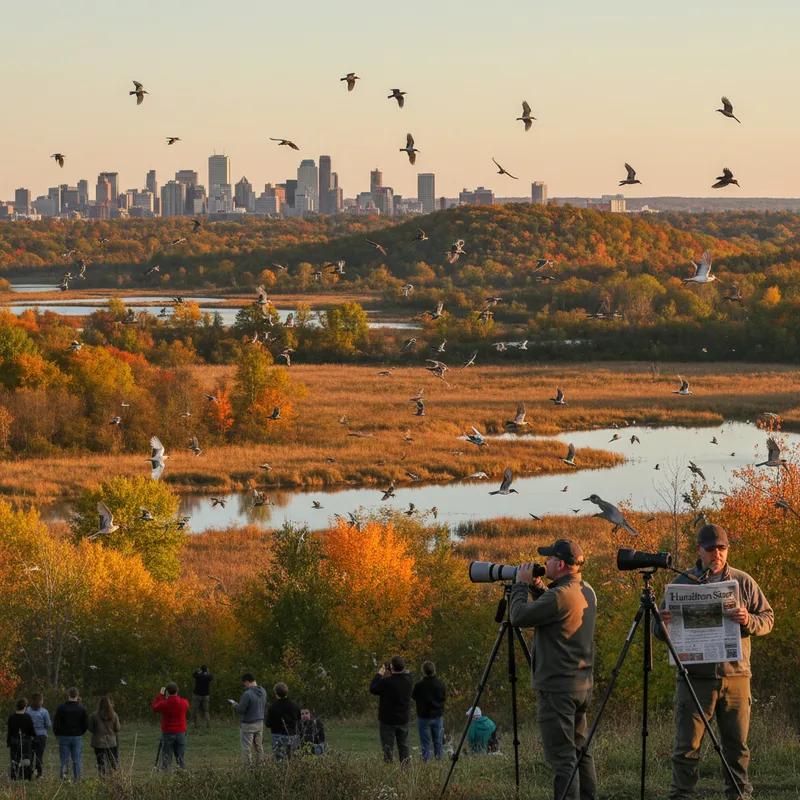
A remarkable catalogue of Hamilton's birdlife has been compiled by thousands of residents, revealing the city is a thriving habitat for more than 200 different species. Data from the global birdwatching platform eBird shows the depth of local enthusiasm for ornithology, with 2,166 registered observers submitting over 41,000 checklists in the Hamilton City area.
This collaborative, large-scale citizen science project provides a near real-time snapshot of the region's biodiversity. It highlights not only the health of local bird populations but also the crucial role ordinary people play in environmental monitoring. The information gathered is used by scientists and conservation groups to track species distribution, population trends, and the effects of urbanisation on native fauna.
Among the city's premier locations for birdwatching, Hamilton Lake (Rotoroa) stands out as a significant hotspot, attracting a wide variety of waterfowl and forest birds. Other key sites identified by the volume of sightings include the Waiwhakareke Natural Heritage Park and the Taitua Arboretum, both recognised for their restorative planting and protected habitats.
Community science provides vital data
The success of platforms like eBird hinges on a dedicated community of users. Local social media groups have also sprung up, creating a space for Hamilton birdwatchers to share their findings, seek advice on identifying species, and organise group activities. These online forums foster a welcoming and respectful environment, encouraging healthy debate among members while emphasising a collective passion for the local environment.
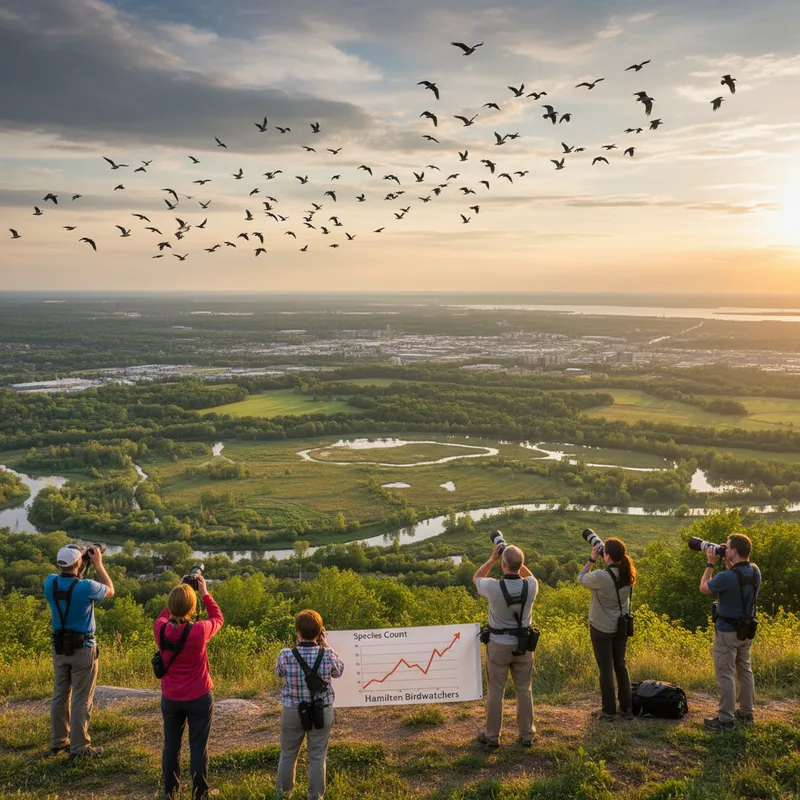
This enthusiastic network of observers acts as a widespread sensor array, capturing data far beyond the capacity of professional ecologists alone. By submitting regular checklists from their backyards, local parks, and trips further afield, residents contribute to a shared scientific endeavour. This ongoing data stream is invaluable for researchers at institutions like the University of Waikato and for informing local government policy.
The engagement reflects a broader trend of community involvement in positive local outcomes, similar to efforts seen in other sectors. Initiatives like the national awards celebrating community sport innovators show how passionate groups can drive significant achievements across the country. In a similar vein, Auckland and Hamilton will host free international business and tech conferences, showcasing continued community-driven progress.
Conservation efforts protect vulnerable natives
The rich diversity of birdlife observed in Hamilton is supported by targeted conservation programmes. The Waikato Regional Council's 'Hamilton Halo' project is a key initiative aimed at protecting native bird populations by controlling pests in the areas surrounding the city. Before each breeding season, the council carries out extensive rat and possum control at important nesting sites.
These efforts are critical for the nesting success of native species, which are particularly vulnerable to predation. By reducing predator numbers, the Halo project helps create safer environments for birds to raise their young, directly contributing to the healthy populations being recorded by citizen scientists. Information on protecting native species is also promoted by national organisations like the Department of Conservation.
Effective environmental management, as highlighted by projects like the Hamilton Halo, is a cornerstone of the city's long-term strategic planning. Proactively managing ecological threats is as important to the region's resilience as planning for other major disruptions, such as those covered in the council's 'black swan' emergency plans.
A blueprint for urban ecology
The comprehensive dataset built by Hamilton's birdwatchers serves as a valuable resource for urban planners and policymakers. As the city continues to grow, understanding how wildlife interacts with the urban environment is essential for sustainable development. The data can help identify critical habitats and ecological corridors that need to be protected or enhanced.
Continued monitoring by the community will allow for the tracking of long-term trends, providing early warnings if certain species begin to decline. This information allows council and conservation groups to intervene proactively to address environmental pressures.
Looking ahead, the Waikato Regional Council will continue its pest control operations within the Hamilton Halo area to prepare for the upcoming nesting season, ensuring the city remains a sanctuary for the diverse bird species that call it home.