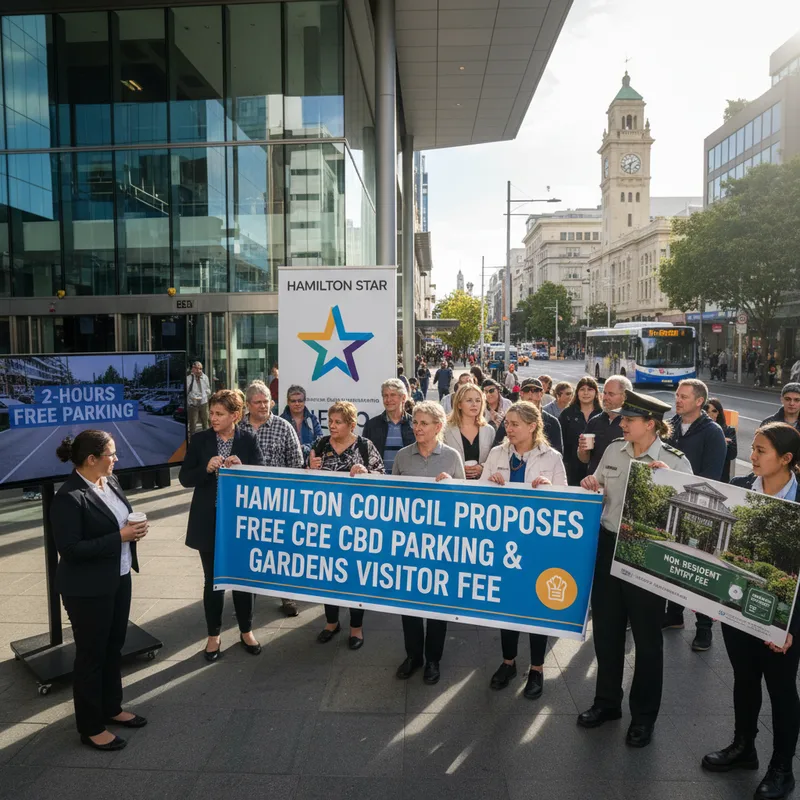
Hamilton City Council is asking for community feedback on two significant proposals that could change the face of parking in the central city and funding for one of its premier attractions. The proposed changes include reintroducing two-hours free on-street parking in the CBD and establishing an entry fee for the internationally acclaimed Hamilton Gardens for all non-Hamiltonian visitors.
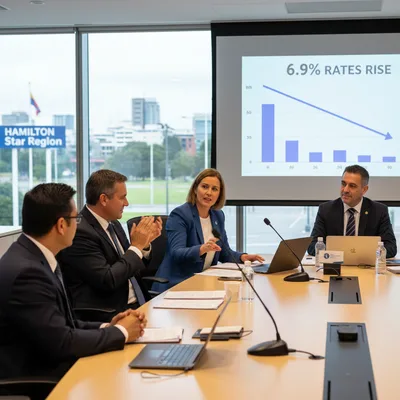
The initiatives are part of a wider review of fees and charges ahead of the 2026/27 Draft Annual Plan. The council is currently navigating significant financial pressures, with these proposals being tabled as a way to soften a proposed average rates increase, bringing it down from 10.4% to a more palatable 6.9%.
Public consultation on the proposed fees is now open via the council's 'Have Your Say' portal, and a series of community drop-in sessions are being held throughout April to gather residents' views.
A lifeline for the central city?
The proposal to bring back two hours of free on-street parking aims to revitalise the city centre, which, like many CBDs nationwide, has faced a challenging economic environment. By removing the cost barrier for short visits, the council hopes to encourage more people to shop, dine, and do business in the city, providing a much-needed boost to local retailers.
This move would reverse the existing paid parking model, which has been a point of contention for some residents and business owners who argue it deters visitors. The potential for increased foot traffic and economic activity will be weighed against the loss of direct revenue from parking meters. The success of this initiative will hinge on whether the indirect economic benefits for businesses in the struggling Hamilton CBD outweigh the direct financial cost to the council's coffers.
This is not a new debate for Hamilton, and the reintroduction of free parking suggests a renewed focus on stimulating the central city's economy. The financial implications are significant, and the lost revenue will need to be balanced elsewhere in the council's budget, which is where the second major proposal comes into play.
Gardens to charge out-of-towners
In a move to secure a sustainable funding source for one of the region’s top attractions, the council is proposing an entry fee for the Hamilton Gardens for those who live outside the city. Entry would remain free for Hamilton residents.

The Hamilton Gardens are an award-winning attraction of national and international significance, recently gaining further fame as the subject of a documentary, and their upkeep is a considerable annual expense. Currently, the maintenance cost is borne almost entirely by Hamilton ratepayers. The proposal suggests that visitors who enjoy the world-class facility should contribute to its ongoing development and maintenance.
This user-pays model for tourist attractions is common elsewhere in New Zealand and around the world. Proponents argue it is a fair way to ensure the financial burden of a major tourist drawcard does not fall solely on the local population. The revenue generated would provide a dedicated income stream, protecting the Gardens from future budget cuts and allowing for continued investment. The story of the gardens' rise to prominence was recently featured in a film, highlighting its status as a cultural treasure worth protecting.
Balancing the city's books
These two proposals are key components of the council’s strategy to finalise the 2026/27 Draft Annual Plan. The overarching goal is to reduce the planned average rates increase from 10.4% to 6.9%, a significant relief for households amid rising living costs. The council states its review of all fees and charges is to ensure 'fairness and accuracy', shifting the cost of some services towards the users rather than the general ratepayer base.
Local governments across New Zealand are facing similar financial challenges, grappling with the costs of maintaining and upgrading infrastructure, meeting environmental standards, and providing community services. According to Local Government New Zealand, councils are exploring a variety of funding tools to manage these pressures sustainably. Hamilton's proposed fee changes are a direct example of this trend, representing a strategic choice about who should pay for specific services.
The trade-off is clear: revenue from out-of-town Gardens visitors would help subsidise free parking in the CBD and contribute to a lower overall rates increase. The public consultation will reveal where Hamiltonians' priorities lie.
How to have your say
The council is encouraging widespread community participation in the decision-making process. Residents can read the full proposals and submit their feedback online through the 'Have Your Say' section of the council website.
For those who prefer face-to-face discussion, the council is also taking the conversation to the suburbs. A series of informal drop-in sessions are scheduled at libraries and community centres throughout April, allowing residents to speak directly with councillors about the proposed changes and other local issues. This approach to civic engagement reflects a broader trend seen in other parts of the country, such as when Auckland authorities prepared for Cyclone Vaianu by disseminating information through multiple channels.
The feedback gathered during this period will be crucial in shaping the final version of the 2026/27 Annual Plan. The decisions made on CBD parking and Gardens entry will have a lasting impact on the city's finances, its appeal to visitors, and the daily lives of its residents.