
Hamilton City Council is proactively planning for a series of worst-case scenarios, including major earthquakes, cyber terrorism, international conflict, and the potential for a new pandemic.
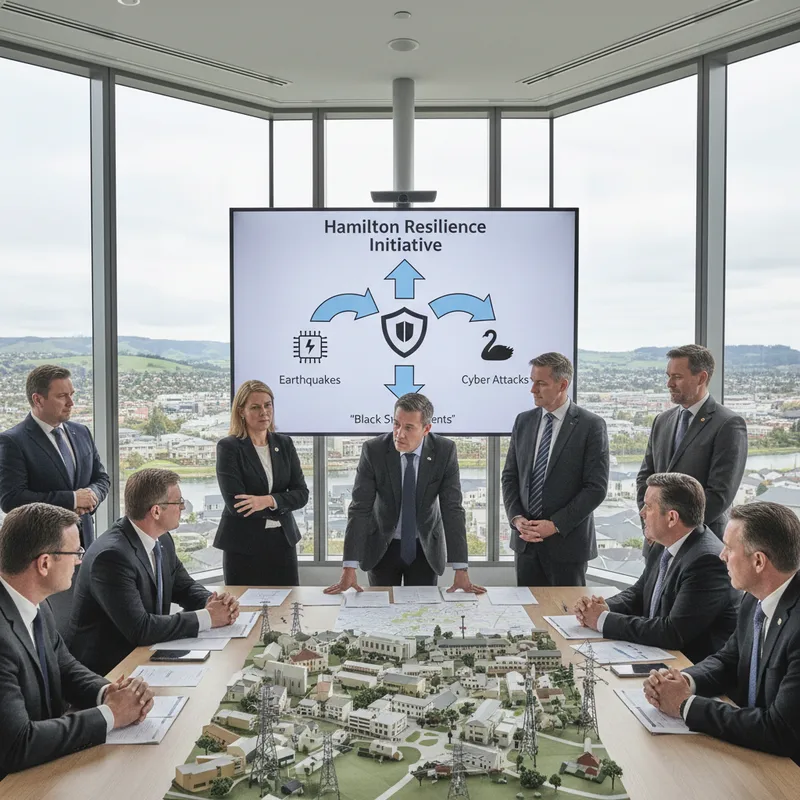
During a recent strategy and risk workshop, councillors and senior staff brainstormed a comprehensive list of potential threats facing the city. The exercise aimed to identify both high-impact, low-probability "Black Swan" events and more immediate operational challenges to ensure Hamilton is prepared for an uncertain future.
The discussions covered a wide spectrum of risks, from the collapse of critical infrastructure like dams to the financial and social fallout from a change in central government. International events were also considered, with the ongoing war in Iran and fluctuating oil prices noted as potential sources of economic instability for the city. A more detailed report on the specific impacts of the war is expected to be released to the council in the coming weeks.
Planning for the unexpected
The importance of preparing for unforeseen disasters was starkly illustrated by workshop chair Angela O’Leary, who referenced Christchurch's experience. “The story goes that prior to when Christchurch had the major earthquake, their elected members did this, planned for their Black Swan event, and no-one picked earthquake because Christchurch wasn't known for that,” she said.
Several councillors, including Mesh Macdonald, Sue Moroney, and Graeme Mead, raised concerns about the impact of a major earthquake or other natural disasters on the city’s water supply. The potential for a biosecurity crisis was also a significant topic, with council chief executive Lance Vervoort highlighting the catastrophic effect a Foot and Mouth disease outbreak would have on the Waikato region. Mr Vervoort described the potential economic impact as “devastating”.
Climate change was identified as another major risk, with councillor Anna Casey-Cox pointing to the increasing threat of extreme heat events, a concern echoed by a recent Waikato University study on urban heat. These environmental threats underscore the need for resilient infrastructure and robust public health responses.
Political and operational pressures
Beyond natural disasters, the council is bracing for significant political and operational challenges. Councillors expressed concern that a change of government after the upcoming general election could disrupt key council initiatives, such as the Long Term Plan. The future of the government’s “Local Water Done Well” reforms is a particular point of uncertainty, with questions around the IAWAI water assets transfer potentially creating unexpected costs, a risk highlighted by Councillor Leo Liu.
Internally, the council is focused on its own resilience. Councillor Andrew Bydder stressed the importance of having the flexibility and resources to manage any crisis, whether it be a major event or the implementation of local government reforms.
If the council's working to 100% capacity, you can't deal with any problems, with any change. That's not a good outcome.
Mayor Tim Macindoe warned of the severe consequences of a cyber terrorism incident, which he said could affect the entire country or manifest as a localised data breach. “They can be hugely expensive, hugely challenging to resolve, can result in a whole lot of private information getting public domain, and we would be really in deep trouble if that were to occur,” he said, citing the recent experience of the Hutt City Council data leak.
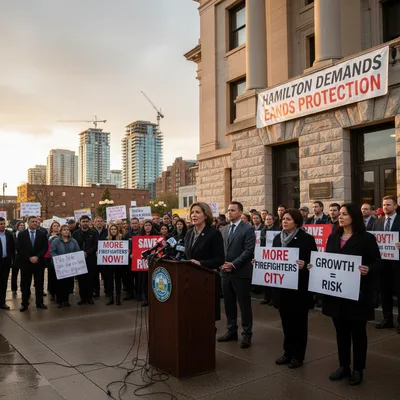
Other significant operational risks identified included the failure of critical assets, the ability to retain key staff, and managing infrastructure demands from new Fast Track consents granted outside city limits. The growing need for essential services is a constant pressure, with city leaders already calling for more firefighters to service the expanding population.
Maintaining public trust and moving forward
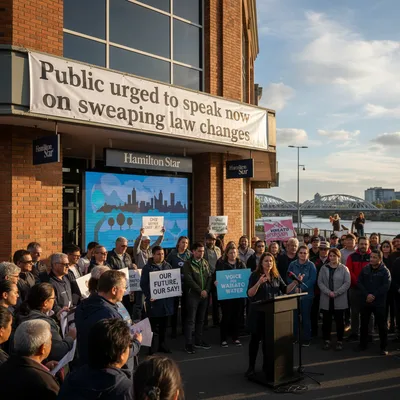
Councillors also acknowledged the risk of losing public support and managing opposition to council projects, emphasising that maintaining public trust is critical to the council’s effectiveness. The workshop stressed the importance of strong partnerships with central government, iwi, and the wider community as a key pillar of risk mitigation.
Following the workshop, council staff have been tasked with preparing a detailed report on ten key risk themes. These themes range from financial sustainability and infrastructure failure to cyber security and public health resilience. The report will be submitted to the council’s Finance and Assurance Committee for further consideration.
The ten key themes for the detailed report are:
- Financial sustainability and affordability
- Critical infrastructure, essential services and asset failure
- Resilience and public health
- Workforce capability and business continuity
- Cyber security and information protection
- Fraud concern and organisational integrity
- Health and Safety
- Public trust
- Reform, advocacy and partnerships
- Supply chain integrity and geopolitical alignment
This comprehensive risk assessment represents a crucial step in safeguarding Hamilton’s future, ensuring the city is not just reactive, but resilient in the face of local and global challenges. The detailed findings and proposed mitigation strategies will be outlined in the upcoming report.