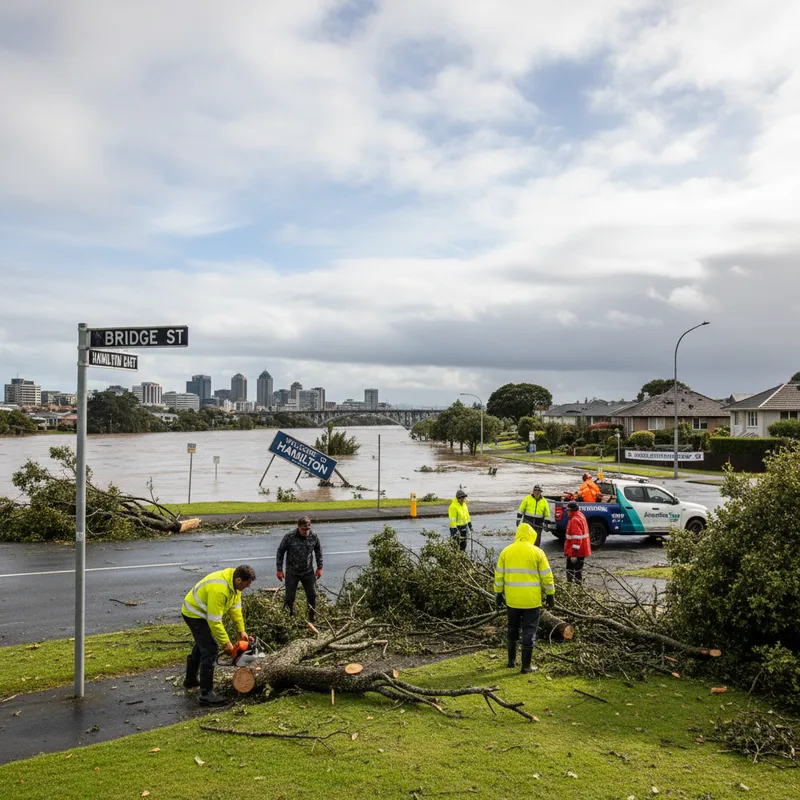
Hamilton is beginning its recovery as Cyclone Vaianu, the severe tropical storm that placed the Waikato region on high alert, moves away from the country. A sense of relief is palpable across the city as a pre-emptive State of Emergency is lifted and council services prepare to return to normal, though authorities urge continued caution regarding potential landslides.
The city spent the weekend battening down the hatches after forecasts on Friday from MetService placed Hamilton under a Strong Wind Warning and Heavy Rain Watch. The cyclone was predicted to pass directly over the region around midday on Sunday, bringing with it the threat of flooding, power outages, and damage from high winds.
In response to the escalating threat, a pre-emptive regional State of Emergency was declared for the entire Waikato region on Saturday. This declaration provided Civil Defence teams with the necessary powers to act proactively and respond swiftly to any incidents, ensuring a coordinated approach to public safety.
Preparations and road closures
Hamilton City Council took a proactive stance, deploying crews to clear leaves and debris from stormwater drains in known flooding hotspots and closely monitoring river and stream levels. Residents were advised to prepare their properties by securing outdoor furniture, turning trampolines upside down to prevent them from becoming airborne, and clearing their own gutters and drains to assist with surface water run-off.
As part of the preventative measures, two key roads were closed from 5pm on Saturday due to risks associated with culverts under the strain of heavy rainfall. Gordonton Road was closed between the Puketaha intersection and Darjon Drive, while Waterford Road was shut between Fitzroy Avenue and Peacockes Road. The closures were put in place ahead of the worst weather, with council assessments of the culverts planned for Sunday.
By Sunday evening, following assessments, the council confirmed that both Gordonton Road and Waterford Road would reopen at 6.30pm, restoring key transport links for residents. The city’s waste and recycling services are also set to continue as normal, though residents were asked to put their bins out on the morning of collection rather than the night before to prevent them from being blown over or washed away.
City facilities begin to reopen
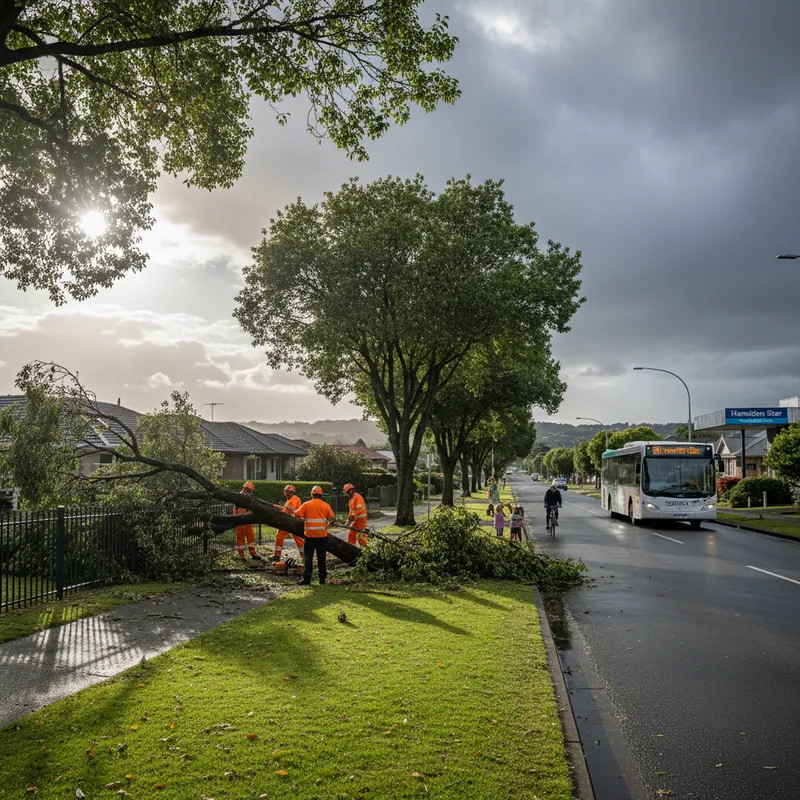
As the storm subsided on Sunday, the focus shifted to damage assessment and the resumption of normal life. The council announced that most public facilities would be open for business as usual on Monday, 13 April. This includes all Hamilton City Libraries, Hamilton Zoo, Te Whare Taonga o Waikato Museum and Gallery, Waterworld, and Gallagher Aquatic Centre.
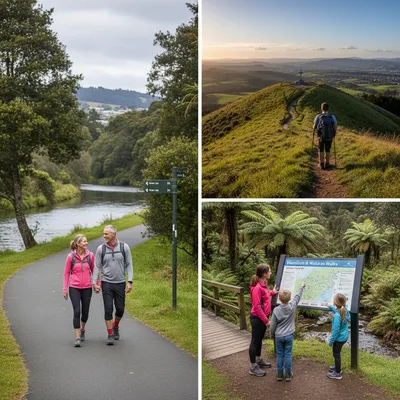
However, an abundance of caution is being exercised for outdoor venues. Several popular parks and walkways will remain closed pending thorough safety inspections. The decision on whether to reopen the iconic Hamilton Gardens will be made on Monday morning after staff can assess the grounds for any damage, fallen trees, or path blockages.
Other closures that remain in effect include the Taitua Arboretum, Te Hikuwai Bush Walk, and the Jubilee Park Walkway. Sections of the Waikato River paths through Ann Street, Fairfield Esplanade, Memorial Park, and Grantham Street are also off-limits until they can be declared safe for public use. The council's decisive actions reflect a commitment to community wellbeing, managed by committees that oversee such responses to ensure resident safety.
Landslide risk remains a key concern
Despite the cyclone moving offshore, authorities have stressed that the danger has not entirely passed. The heavy saturation of the ground from the storm's downpour has increased the risk of landslides, which can occur suddenly during and even days after heavy rain. This is a particular concern in areas with steep terrain, such as river banks, cliffs, and roadside cuttings, which are common throughout the Waikato region.
Residents are advised to watch for warning signs of land instability. These can include small slips or rock falls, the appearance of new cracks in the ground or retaining walls, and changes in buildings such as doors or windows sticking. Other indicators include trees, fences, or decks beginning to tilt or pull away from their foundations.
Anyone who observes these signs is urged to move away from the area immediately and report their concerns to the council. The official advice from getready.govt.nz is to evacuate if you believe your home or any nearby structure is at risk. For immediate danger to life or property, the public should call 111.
While emergency services and council staff remain on alert, the coordinated preparation appears to have paid off, with the city emerging from Cyclone Vaianu without major reported incidents. The coming days will see the final safety checks completed on the city's green spaces, allowing Hamilton's bustling central business district and suburbs to fully return to their normal rhythm.